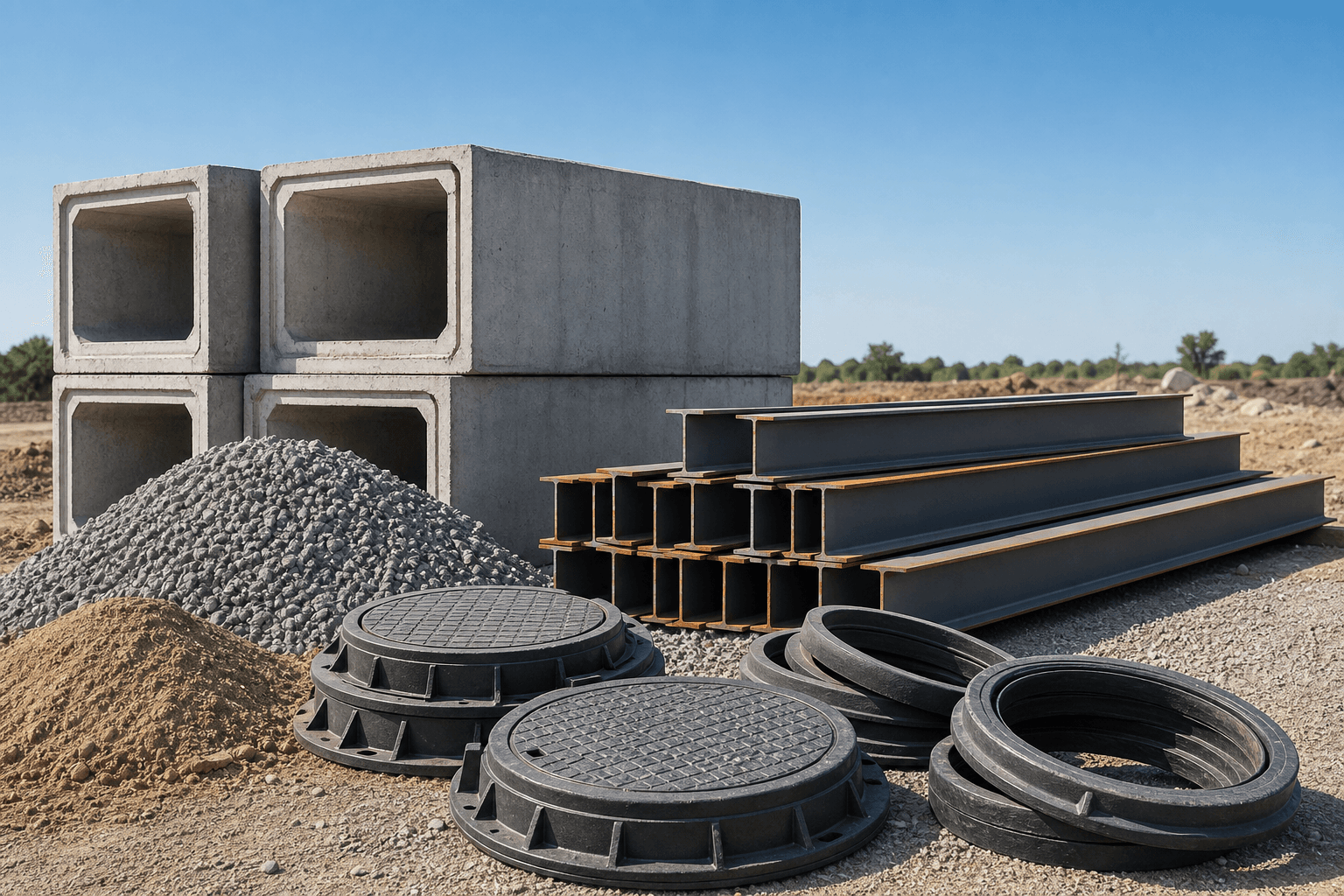
When we think of major infrastructure projects, our minds often jump to the impressive final product: a towering bridge, a sprawling highway, or a sleek new public transit system. What we don't always see are the countless individual components that make it all possible. The long-term success of any project isn't just determined by grand designs; it's built on the foundation of high-quality materials, from the largest structural beams to the smallest, most overlooked parts. Choosing cheaper, lower-quality materials might save money upfront, but this approach often leads to much greater costs down the road.
The Hidden Costs of Cutting Corners
Opting for subpar materials is a classic example of a false economy. The initial savings on a project's budget can be quickly erased by the long-term expenses of maintenance, repairs, and premature replacement. A road paved with a lower-grade asphalt mix will develop cracks and potholes sooner, requiring frequent and disruptive repair work. A water pipe made from inferior metal is more susceptible to corrosion, leading to leaks, water loss, and eventual failure that could have been avoided.
These direct repair costs are only part of the story. Frequent downtime for maintenance disrupts public services and commerce, creating indirect economic losses for the entire community. For any expert or business leader, the lesson is clear: the initial price tag of a material is only one part of its total cost of ownership.
More Than Meets the Eye: Everyday Components
The integrity of a massive structure often depends on its smallest parts. While a steel girder gets all the attention, the bolts holding it in place are just as critical. The same principle applies to the vast networks of utilities that run beneath our feet. Components like access points are easy to overlook, but they play an essential role in maintenance, safety, and long-term infrastructure performance. Durable manhole frames and covers help protect underground utility systems while providing reliable access for inspections and repairs. Choosing high-quality products reduces the risk of damage from heavy traffic, improves safety, and minimises costly maintenance over time. True project success lies in applying a high standard of quality to every component, not just the most visible ones.
Safety, Liability, and Public Trust
Beyond the financial implications, the quality of infrastructure materials has a direct impact on public safety. A failing bridge guardrail, a collapsing sewer line, or a faulty electrical conduit can have catastrophic consequences. These failures not only cause immediate harm but also expose project owners and municipalities to significant legal liability. The subsequent loss of public trust can be even more damaging and difficult to repair. When the public loses confidence in the safety and reliability of its infrastructure, it erodes support for future projects and the institutions responsible for them. Investing in quality is an investment in safety and a demonstration of commitment to the community's well-being.
Building a Legacy: The Long-Term Vision
Great infrastructure is about more than just function; it's also about protecting long-term investments, reducing future costs, and building a lasting legacy for the communities and organisations that rely on it. When projects are built with durable, high-quality materials, they stand the test of time, serving communities efficiently for decades or even centuries. This long-term perspective is a core part of measuring project success beyond the initial budget and timeline. A well-built project becomes a lasting asset, enhancing quality of life and supporting economic growth. It reflects a commitment not just to getting the job done, but to getting it done right. This forward-thinking approach is what separates a forgettable project from a landmark achievement.
Implementing Quality from the Ground Up
Ensuring material quality isn't something that happens by accident. It requires a deliberate and systematic approach. It all starts with clear, detailed specifications that leave no room for ambiguity. From there, a rigorous process for quality control in construction is essential. This includes vetting suppliers, testing material samples, and conducting regular inspections throughout the construction process. By establishing and enforcing high standards from the very beginning, project managers can prevent costly mistakes and ensure the final product meets or exceeds all expectations for performance and longevity.
Ultimately, the materials chosen for an infrastructure project are a direct reflection of its underlying values. Prioritizing quality demonstrates a commitment to long-term value, public safety, and fiscal responsibility. It's an investment that pays dividends for years to come, ensuring that what we build today will continue to serve us well into the future for generations to come through reliable, resilient infrastructure.