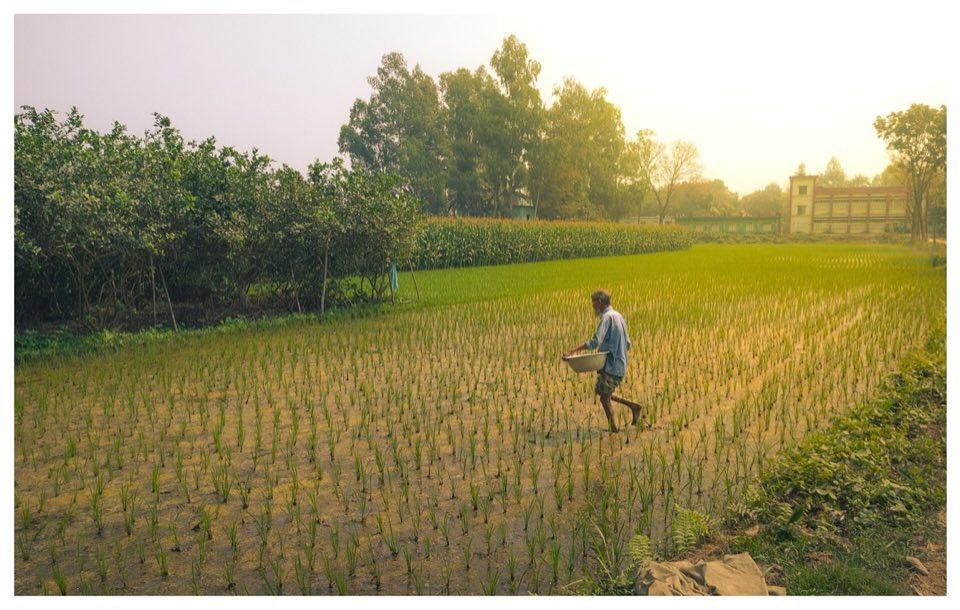
When your body starts struggling with everyday farm chores, even routine tasks can become exhausting, painful, and harder to complete on schedule. For solo farmers and ranchers, an injury or loss of mobility doesn't just affect physical comfort; it can threaten productivity, income, and independence. Discover how functional fitness, smarter recovery habits, and better work systems can help you stay strong, reduce physical strain, and keep your operation running for years to come.
Your Body as Key Business Infrastructure
You probably maintain engines, replace worn parts, and inspect buildings before small problems become expensive failures. Your body deserves the same attention because it powers nearly every part of a solo operation.
Think of strength, balance, and joint mobility as working assets. Reduced shoulder movement can make overhead tasks harder, while weak hips may shift more strain into your lower back during lifting. A minor limitation can slowly change how you move until routine chores become painful or inefficient.
A basic maintenance plan should account for your actual workload. Note which tasks leave you stiff, where discomfort appears, and how long it lasts. This creates a practical starting point for mobility work and recovery.
Specialized fitness training can also give farmers and ranchers customized strength, mobility, balance, and joint health routines that use equipment already available on the farm. The most useful plan will reflect the movements you perform each week, including carrying, pulling, stepping, and working near ground level.
The Real Price of Operator Downtime
Operator downtime has both visible and hidden costs. Paying someone to cover chores is the obvious expense, but delays may also affect planting schedules, equipment maintenance, customer commitments, and routine paperwork. When there’s no employee ready to take over, even a short absence can disrupt several weeks of work.
Suppose back pain limits you for five days during a busy period. Necessary chores still require attention, while lower-priority maintenance gets postponed. Once you return, the backlog encourages longer hours and rushed movement, which can increase the chance of another strain.
Treat health-related downtime as a business risk. Estimate the cost of hiring temporary help for one week and write down which responsibilities another person could realistically handle. Keep current instructions for daily chores, supplier contacts, and equipment procedures in one accessible place.
This approach follows a broader principle seen in businesses focused on longevity and long-term health: extending useful capacity can create continuing economic value. For a solo owner, maintaining physical function helps protect both current income and future independence.
Functional Conditioning to Prevent Strain
Functional conditioning prepares your body for movements that occur during normal work. A farmer rarely performs a perfect gym-style lift on a flat surface. Loads may be uneven, footing may shift, and fatigue can affect posture late in the day.
Build training around a few core abilities: lifting from different heights, carrying weight, pushing, pulling, rotating, and stepping with control. Two or three short sessions each week may be more realistic than a long workout that competes with farm responsibilities. Even 20 focused minutes can cover a warm-up, several strength movements, and mobility work.
Progress slowly. Start with loads you can control without holding your breath or changing your form. Stop when pain feels sharp, causes weakness, or alters your movement. Persistent pain, swelling, or numbness calls for assessment by a qualified health professional.
Recovery deserves a place in the schedule too. Regular meals, adequate water, and consistent sleep support tissue repair. During peak seasons, brief movement breaks can reduce stiffness before it changes how you lift or walk.
Building Resilient Daily Chore Systems
Better work systems reduce the amount of physical stress you must absorb each day. Begin with the chores you repeat most often and look for unnecessary carrying, deep bending, or long reaches. Moving supplies closer to where they’re used can eliminate dozens of awkward motions over a week.
Rotate demanding tasks when possible instead of spending several straight hours in the same posture. For example, alternate ground-level work with walking inspections or seated administrative work. Use carts, adjustable work surfaces, and mechanical assistance for loads that don’t need to be carried by hand.
Set clear limits before fatigue decides for you. A practical rule might be to split bulky materials into smaller loads or ask for help when an item blocks your view of the path ahead. Keep frequently used tools in consistent locations so you don’t waste energy searching or make rushed movements.
Finally, create a backup system that another person can understand. A simple chore map, current contact list, and written daily sequence can turn an unexpected absence into a manageable interruption.
Physical longevity grows from ordinary decisions repeated across the year. When the next demanding season arrives, the clearest measure of success will be your ability to finish the day with enough capacity left for tomorrow’s work.