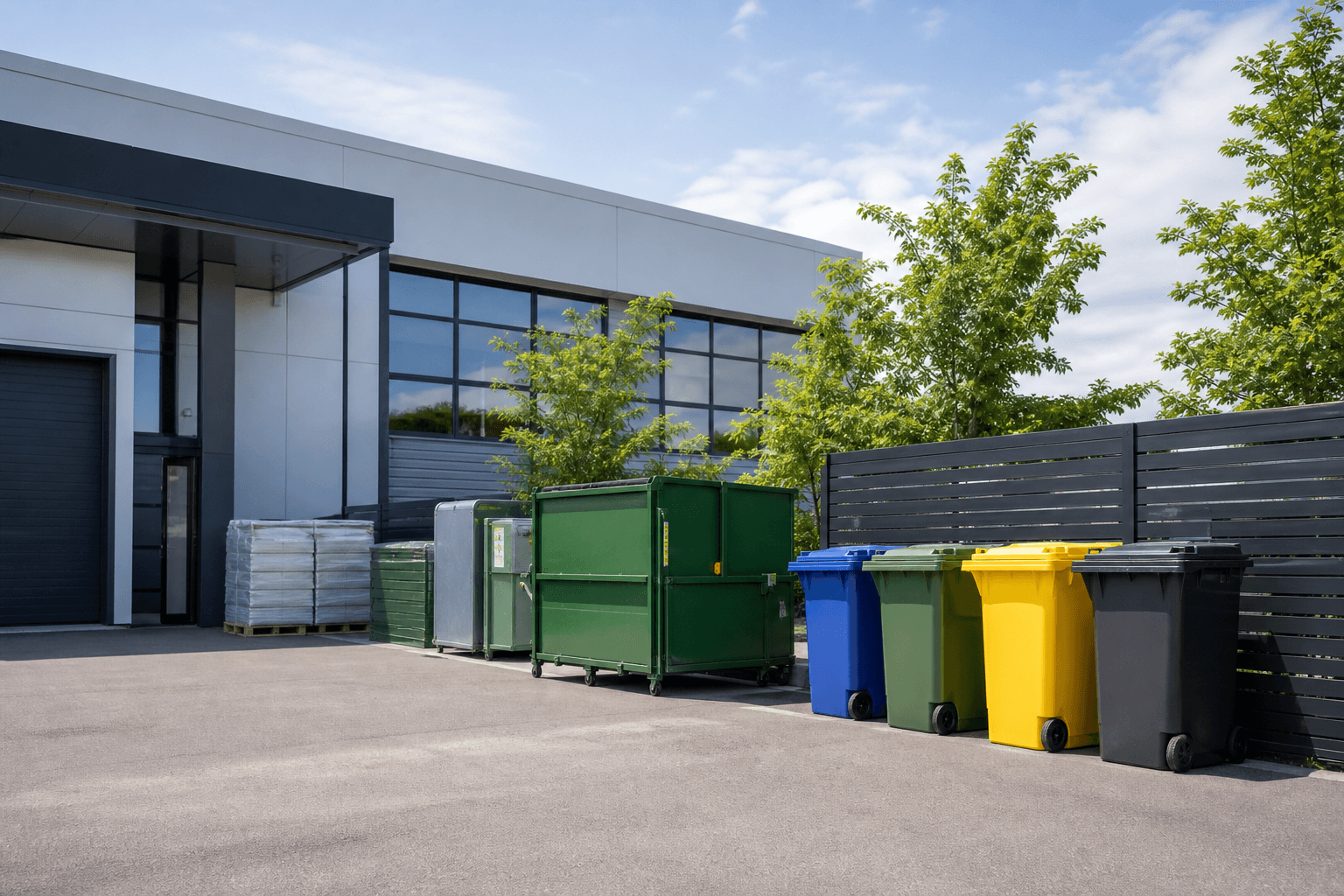
For many business leaders, waste management often feels like an afterthought, just another necessary cost. Yet the businesses that manage resources most effectively are often the ones that operate more efficiently and protect their profit margins. Good waste management isn't just about throwing things away; it's a key part of running a business that's efficient, responsible, and profitable. This big-picture approach also means using resources wisely, where understanding and auditing energy costs can really boost a company's finances and lessen its environmental impact.
The Real Cost of Inefficient Waste
The most obvious cost of waste is the bill for collection, but the real financial hit from a messy system goes much deeper. Hidden costs can pile up fast, eating into your profits without you even noticing. This could include staff time wasted on overflowing bins, valuable commercial space taken up by disorganised rubbish, and potential fines if you don't follow local disposal rules.
Plus, every item you throw away represents money already spent. This is especially true for things that could have been recycled or products that were over-ordered and then expired. When you look closely at your waste, you often find problems in how you buy things, produce them, or manage your inventory. Using strategies for cost-effective waste management forces a business to face these hidden money drains, turning a simple task into a powerful way to check the overall health of your business.
Streamlining Your Disposal Process
Once you understand the costs, the next step is to make your system more efficient. A smoother process not only saves money but also frees up staff time and creates a cleaner, safer workspace. The first thing to do is often a simple waste audit to see what you're throwing out and how much of it. Are you generating a lot of cardboard, plastic, or food waste?
Based on what you find, you can start separating waste at the source. Putting out clearly labelled bins for different materials like paper, glass, and general waste makes recycling easier and reduces contamination. For bigger projects, like an office renovation, a seasonal stock clear-out, or getting rid of construction debris, investing in professional skip bin hire can help keep your site organised and ensure you have enough capacity for the job. This makes logistics simpler and ensures materials are handled correctly from the start.
Sustainability as a Business Asset
In today's market, being serious about sustainability isn't just a nice idea; it's a real business advantage. Customers and clients are increasingly drawn to companies that show genuine environmental responsibility. A well-known recycling program or a commitment to sending less waste to landfills can become a strong way to stand out, improving your reputation and bringing in new customers.
This positive effect also works internally. Employees are often more engaged and motivated when they work for a company that shares their personal values. By optimising industrial waste management, businesses can do more than just save money; they can build a stronger company culture and a more attractive brand. Seeing waste not as a problem but as a resource to manage is the first step toward a circular economy model that benefits both the business and the environment.
Choosing the Right Waste Partner
Putting a successful waste management strategy into action is tough to do alone. The right waste management partner can be more like a consultant than just a collection service. They are crucial for navigating complicated regulations, finding ways to save money, and helping you reach your sustainability goals.
When choosing a partner, look beyond just the price. Think about how reliable they are, the range of services they offer, and if they can give you clear data on your waste streams. A good partner will work with you to do an initial audit, suggest the best bin sizes and collection schedules, and offer ongoing advice to help you keep improving your processes. They should be able to adjust as your business needs change, making sure your waste management system stays efficient and compliant in the long run.
Ultimately, getting your waste management right isn't just about keeping your premises clean; it's about running a smarter, leaner, and more responsible business.