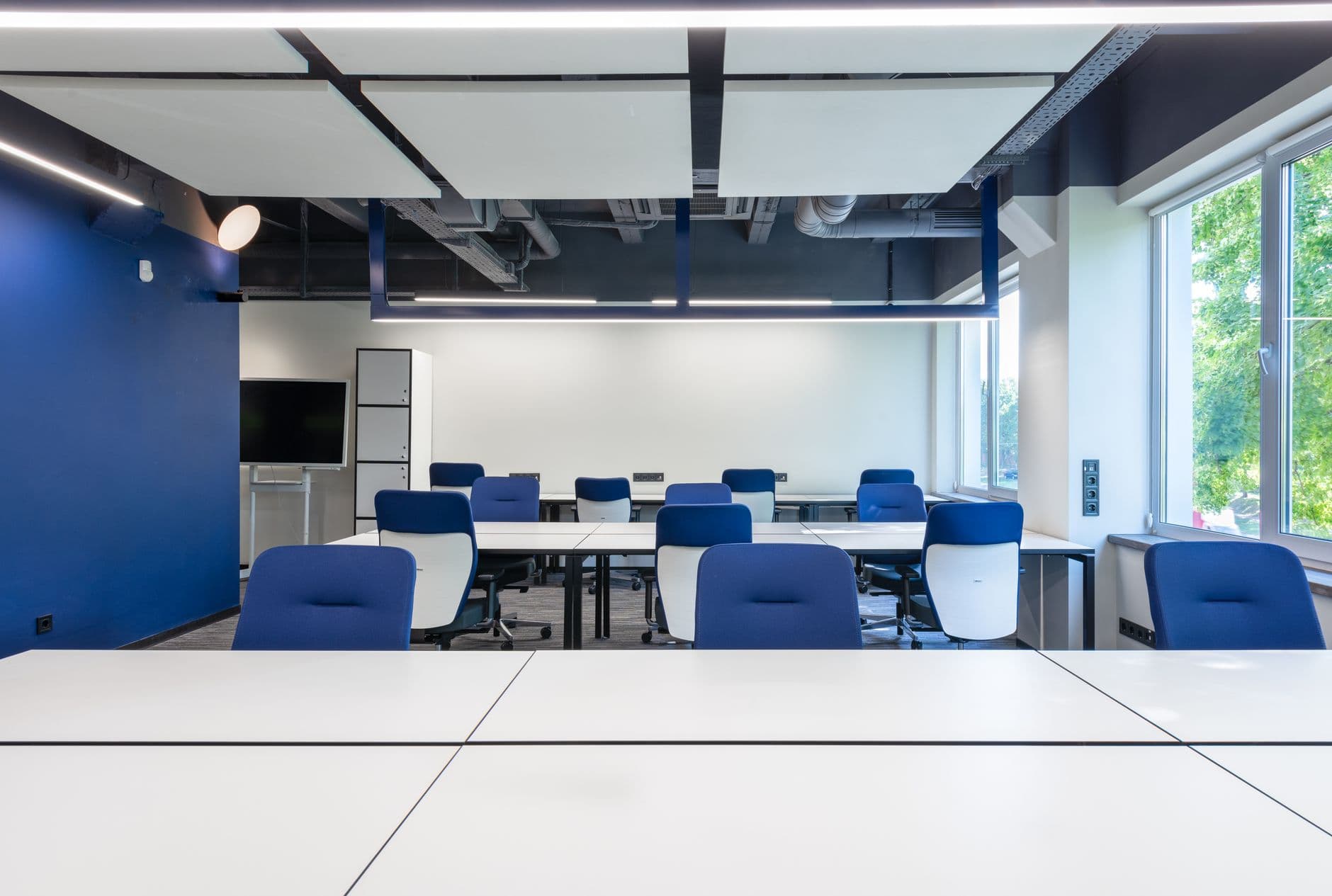
An office influences how people feel, focus and interact throughout the workday. Lighting, noise levels, air quality and cleanliness can either support good work or create small distractions that add up over time. These details also shape how candidates, customers and business partners view your organization.
A thoughtful office environment helps employees complete tasks comfortably while showing visitors that the company takes its people and operations seriously. Investing in a well-designed workspace not only boosts morale and productivity but also demonstrates a commitment to employee well-being, which is crucial for attracting and retaining top talent.
Workspace and Employee Productivity
Employees tend to work more effectively when their surroundings match the tasks they need to complete. Quiet areas support focused work, while shared spaces make quick discussions easier. Comfortable seating, reliable equipment and accessible storage also reduce interruptions during the day. Research into work environment factors highlights practical elements such as natural light, temperature and noise control.
Start by asking employees where delays or distractions occur. A team may need bookable rooms for video calls, for example, while another department may benefit from adjustable desks. Small fixes often provide immediate value. Replacing flickering lights or moving a noisy printer away from desks can improve concentration without requiring a full renovation.
Creating a Healthy Environment
A healthy workplace begins with consistent upkeep. High-touch surfaces, shared kitchens and restrooms need dependable cleaning schedules, especially in offices with frequent visitors. Dust and clutter can also affect comfort and make routine work harder than necessary.
Assign responsibility for daily tidying, then use professional support for deeper or specialized work. Businesses in the Southeast can consider Riddley Commercial Cleaning for office cleaning, janitorial services, porter services or customized cleaning plans. The schedule should reflect how the space is actually used. A busy reception area may need attention throughout the day, while a small meeting room may only require service after scheduled events.
Fresh air and comfortable temperatures matter too. The World Green Building Council's office design report connects building features with employee health and productivity. Check ventilation systems regularly and give employees a clear way to report temperature or air-quality concerns.
Attracting Top Talent
Candidates notice the office before an interview begins. A clean entrance, organized reception desk and comfortable meeting room suggest that the company pays attention to daily operations. Worn furniture, overflowing bins or poor lighting can create the opposite impression, even when the role itself sounds appealing.
Show prospective employees how the space supports different types of work. During an office tour, point out quiet rooms, collaboration areas and amenities people can use during breaks. Current employees are also more likely to speak positively about a workplace that supports them. That matters because candidates often look beyond job descriptions and ask contacts what working at a company is really like.
Workspace improvements should go hand in hand with clear policies and thoughtful management. This guide to looking after your employees offers useful ideas for creating a workplace where people feel valued.
Enhancing Brand Reputation
Your office provides visible evidence of how the business operates. Clients may interpret an orderly meeting room and well-maintained common areas as signs of care and reliability. Delivery teams, contractors and job applicants form impressions too, then share those impressions with others.
Create simple standards for spaces visitors regularly see. Keep reception materials current, remove damaged furniture promptly and check meeting rooms before appointments. Brand colors and signage can add personality, but they should never get in the way of comfort or accessibility.
Pay attention to the less obvious details as well. A clear route from the entrance to reception, working lights and stocked restrooms all contribute to a professional experience. These practical touches rarely become the main topic of a client meeting, yet their absence can be memorable.
The most useful office review happens at eye level: walk through the entrance, sit in a visitor chair and use the shared spaces as an employee would. That short inspection can reveal the loose cable, stale meeting room or neglected countertop that routine reports miss.