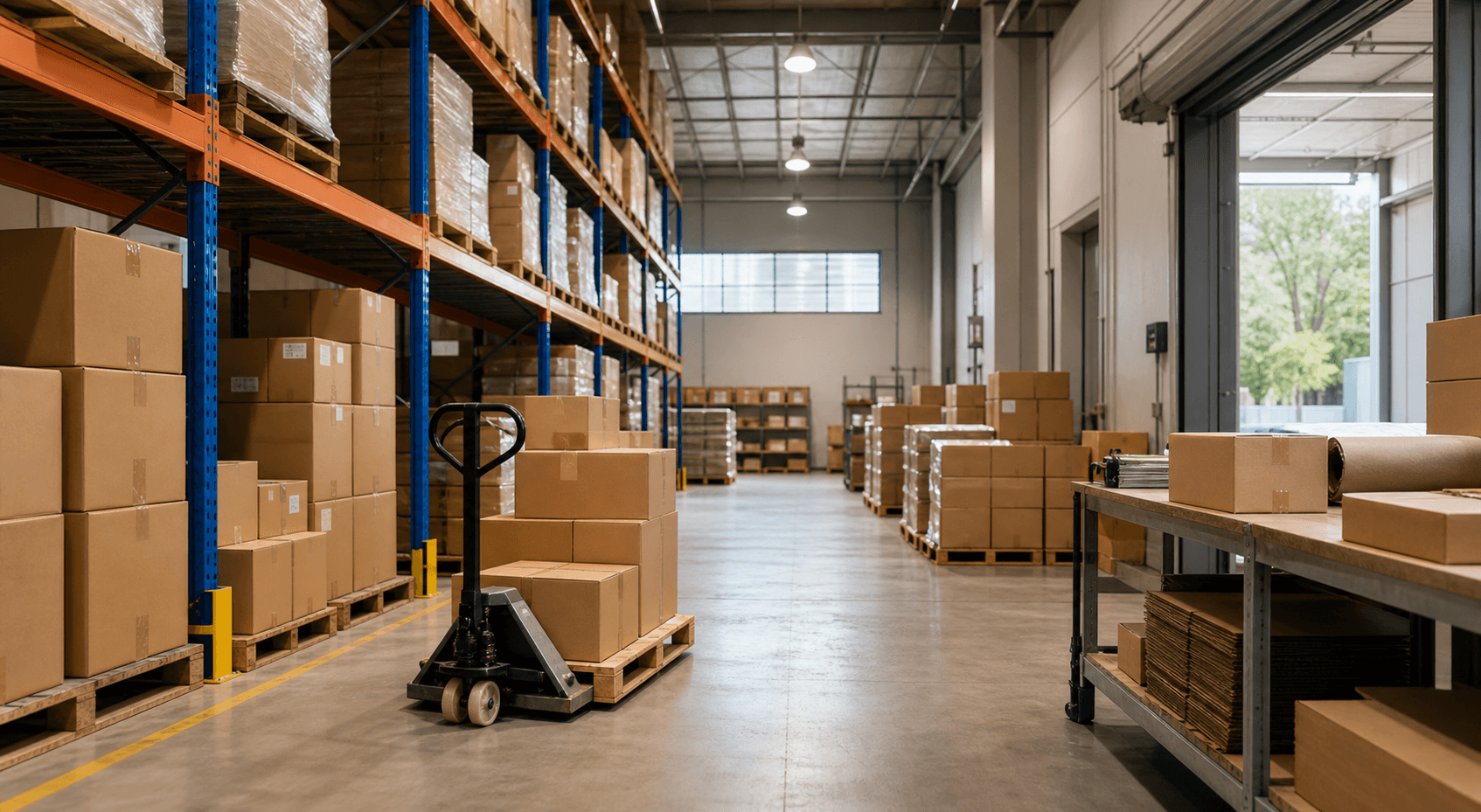
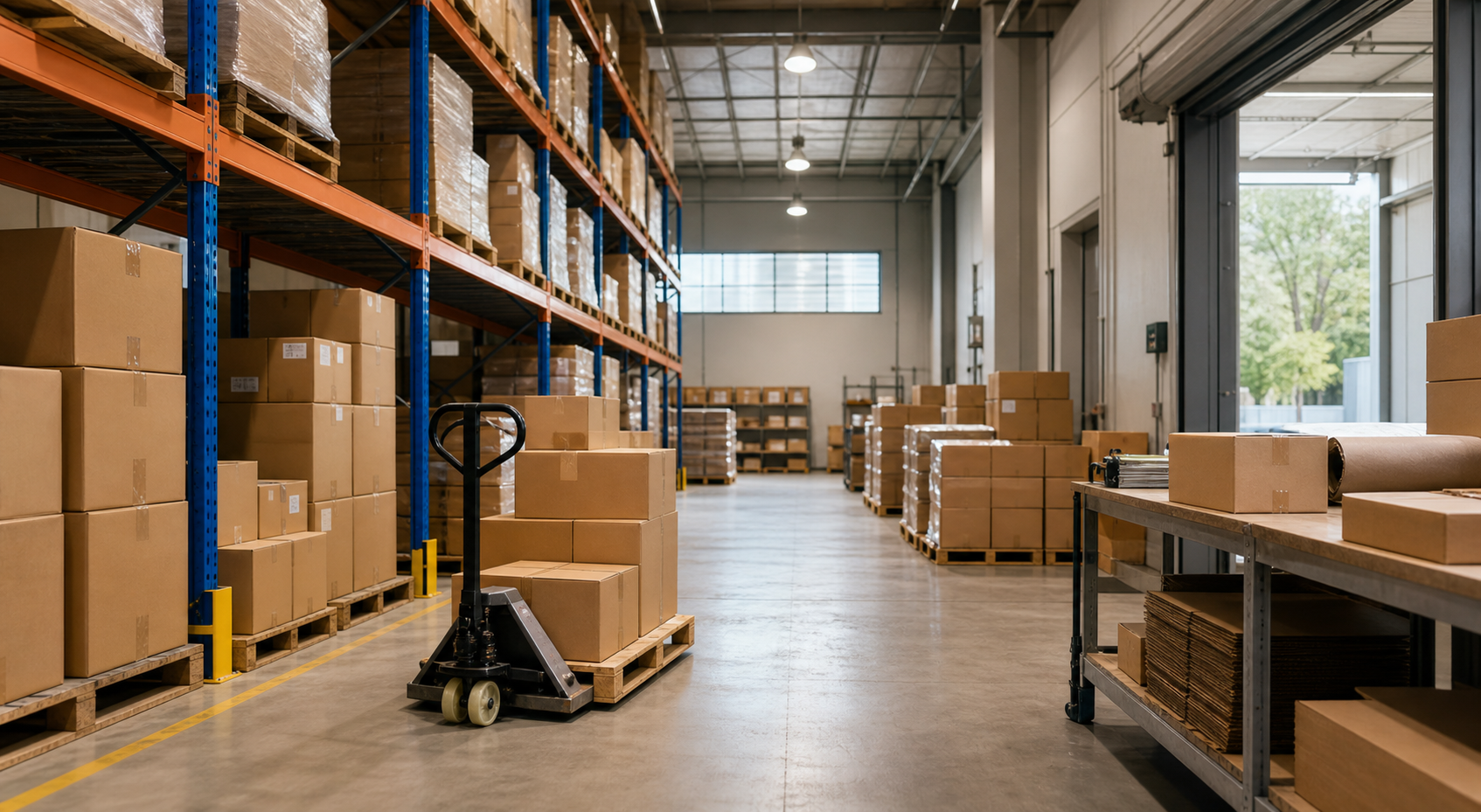
For many small businesses, the warehouse or stockroom can feel like an afterthought. It's just a space to hold inventory until it sells, right? But an inefficient warehouse is more than just a messy room. It quietly drains your resources, costing you time, money, and even unhappy customers. When you make your warehouse flow better, you're directly investing in your business's health and its ability to grow.
This article gives small business owners a clear way to change their storage space. It can go from a chaotic money pit to a smooth, efficient asset.
Why Efficient Flow Matters
When your warehouse workflow is optimized, it directly helps your bottom line. Goods move logically from receiving to storage and then to shipping. This makes every step faster and less prone to mistakes. This efficiency brings real benefits: lower labor costs, quicker order fulfillment, and fewer shipping errors.
A smooth flow also means your inventory numbers are more accurate. When you know exactly what you have and where it is, you can avoid running out of stock or having too much. Plus, an organized space is a safer space. Clear paths and logical processes mean fewer workplace accidents. This protects your most valuable asset: your employees.
Layout Strategies for Success
Your warehouse's physical layout is key to how efficient it is. The goal is to cut down how far employees have to walk to pick, pack, and ship orders. A common and effective approach is a U-shaped design. Here, receiving and shipping docks are right next to each other. This creates a circular path for goods, from when they arrive, to storage, and then out for shipping.
Another smart move is "slotting." This means organizing products by how fast they sell. Put your fastest-selling items in the easiest spots to reach, close to the packing stations. Slower-moving items can go in areas that are further away. A good warehouse layout optimization plan looks at product size, weight, and how often it sells to create the most logical and efficient system possible.
Key Equipment for Smooth Operations
Even with the right layout, your team needs the right tools to move inventory efficiently. For a small business, this doesn't mean buying a huge, automated system. It starts with the basics: strong shelving that uses vertical space well, clearly labeled bins for small parts, and functional packing stations.
To move goods from receiving to shelves, or from shelves to shipping, you need the right handling equipment. While forklifts are necessary for very heavy loads, simple and effective tools can handle most daily tasks. For moving palletized goods across a warehouse floor, manual pallet handling equipment is an essential and affordable solution for many businesses. These tools let one employee safely and quickly move heavy loads, greatly reducing physical strain and speeding up processes.
Training Staff for Safety
Your warehouse system is only as good as the people who run it. Good training is crucial to make sure your carefully designed workflow is followed correctly and safely. Staff should know how to do their specific tasks. They also need to understand how their role fits into the bigger picture of operations.
Training should cover:
- The correct path for receiving, putting away, picking, and shipping items.
- How to properly use all equipment, from box cutters to pallet jacks.
- Safety steps for lifting, moving, and storing goods.
- Emergency procedures and where safety equipment is located.
Continuous Improvement Cycle
Optimizing your warehouse isn't a one-time project. It's an ongoing process of making things better. Once your new system is set up, you need to see how well it's working and look for new problems. Keep an eye on key numbers like how accurate order picking is, how fast inventory moves, and how long it takes to fulfill an order from start to finish.
Review these numbers regularly with your team. Ask for their feedback on what's going well and what isn't. Small, gradual changes based on real data and employee experience often work better than huge overhauls.
By regularly measuring, analyzing, and improving, you build a culture of efficiency. This will support your business as it grows. A well-run warehouse gives you the stable operational base you need to scale your business successfully.