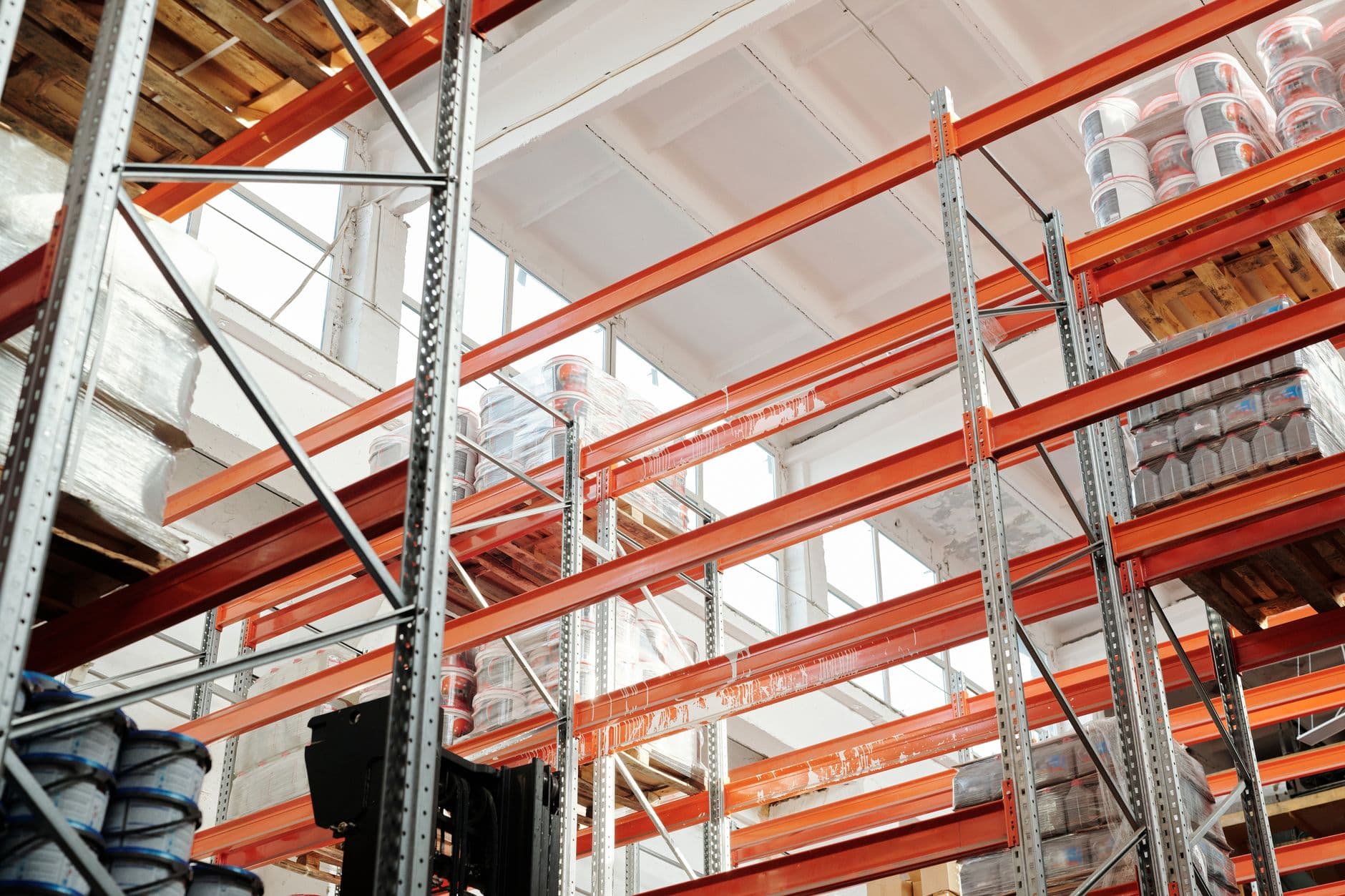
Physical growth can strain a young company long before sales slow down. As order volume rises, founders must manage inventory, packing capacity, and delivery performance without locking too much cash into space or equipment. A lean operating model keeps fixed commitments low while building enough capacity to handle busy periods. The following steps can help you scale physical operations while protecting service quality and working capital.
The Trap of In-House Storage
A spare room or small storage unit may work for the first 100 orders. Problems appear when inventory starts occupying work areas, founders spend evenings packing boxes, and stock counts become unreliable. Rent is only one part of the cost. Shelving, insurance, utilities, packing stations, and extra labor can turn a seemingly cheap arrangement into a significant fixed expense.
Start by calculating your fully loaded cost per order. Include the hours spent receiving stock, locating items, packing orders, and correcting mistakes. You should also account for space that sits unused outside seasonal peaks. A practical guide to lean warehouse operations explains how layout, standardized processes, and inventory control affect efficiency.
Set a clear trigger for reviewing your setup. That might be when fulfillment consumes more than 15 founder-hours per week, order errors exceed 1%, or inventory requires a second location. If you’re already approaching one of those limits, this discussion of why lean businesses rethink physical storage offers useful context for the decision.
Rethink Your Fulfillment Architecture
Map every step from receiving a supplier shipment to confirming customer delivery. Record who handles each task, which system stores the information, and where delays occur. This exercise often reveals duplicated data entry, unclear inventory ownership, or unnecessary movement between storage and packing areas.
Next, separate activities that create a competitive advantage from routine operational work. Product development, customer insight, and supplier relationships may deserve direct founder attention. Storage, picking, packing and shipping can often follow documented service standards. Businesses that need outside capacity can assess warehousing and distribution services covering end-to-end fulfillment, including storage, order processing, and delivery.
Compare providers using your actual order profile. Share monthly volume, average items per order, product dimensions, sales channels, and expected peak demand. Request pricing for normal months and a realistic surge, such as volume increasing from 2,000 to 5,000 orders. Check how inventory data moves between systems and how returns are recorded. A low headline rate can lose its appeal when account fees, special handling charges, and integration work enter the calculation.
Automation That Protects Profit Margins
Automate repeated decisions before investing in expensive machinery. Order routing, shipping label creation, low-stock alerts, and customer notifications are strong starting points because they reduce administrative work without forcing a major redesign.
Document the current process before changing it. If staff choose a delivery method manually for every order, create rules based on destination, parcel size, and promised delivery speed. Test those rules on a small order sample, check the exceptions, and expand only after the results are reliable. The same method works for replenishment alerts and order prioritization.
An automation-first warehouse depends on connected systems and accurate data. Software can’t compensate for duplicate product codes or incorrect dimensions. Clean your catalog, assign one stock-keeping unit to each product variation, and decide which system holds the master inventory record.
Measure the financial effect of each automation. A tool that saves 40 staff hours per month has a visible value. Track setup costs, subscription fees, error reductions, and hours saved, then review the result after 60 or 90 days. Remove automations that create frequent manual exceptions since those hidden corrections can erase the expected savings.
Metrics for Sustainable Growth
Revenue alone won’t show whether physical operations are scaling well. Build a compact dashboard that connects service performance with cash and capacity. Useful measures include fulfillment cost per order, order accuracy, inventory turnover, on-time dispatch rate, and return processing time.
Define each metric precisely. For example, on-time dispatch might mean an order leaves by the promised cutoff, while order accuracy could mean the correct items and quantities reach the customer without a replacement. Consistent definitions allow you to compare weeks and identify genuine trends.
Review capacity alongside performance. If a team processes 500 orders during a normal week at 98% accuracy, estimate what happens at 750 orders. You may need staggered shifts, temporary packing space, or earlier stock deliveries. Run this exercise before a promotion launches, then agree on the point where extra capacity activates.
Keep the review focused. A weekly operating meeting can cover exceptions and immediate constraints, while a monthly review examines unit economics and supplier performance. When fulfillment cost per order climbs for three consecutive months, investigate the cause before accepting it as a normal cost of growth. That single metric can expose inefficient packaging, fragmented inventory, or rising correction work early enough to protect the next stage of expansion.