In a world of constant upgrades and shifting digital trends, keeping your business's technology from becoming obsolete can feel like a full-time job. The pressure to adopt the latest software or hardware is immense, but true resilience isn't about chasing every innovation. Instead, it's about building a stable, adaptable technological foundation that's ready for the future. Future-proofing your tech saves money, minimizes disruption, and lets your business focus on what it does best, especially when you consider how to use tech to boost your business.
Build a Flexible Tech Stack
Your company’s "tech stack" is simply all the software, platforms, and tools you use to run things. This includes everything from your customer relationship management (CRM) software and accounting platforms to your internal communication tools and the servers they run on. A well-designed stack works like a finely tuned machine, with each part talking effectively to the others. A poorly constructed one, however, creates data silos, inefficiencies, and constant headaches.
To build a future-proof stack, look for solutions that are modular and easily integrate with other systems. Instead of searching for one massive platform that claims to do everything, find best-in-class tools that can connect via APIs. This way, you can swap out individual components as your needs change or as better options appear, without having to overhaul your entire system. A modern enterprise tech stack is built for flexibility, not rigidity.
Invest in Reliable Hardware
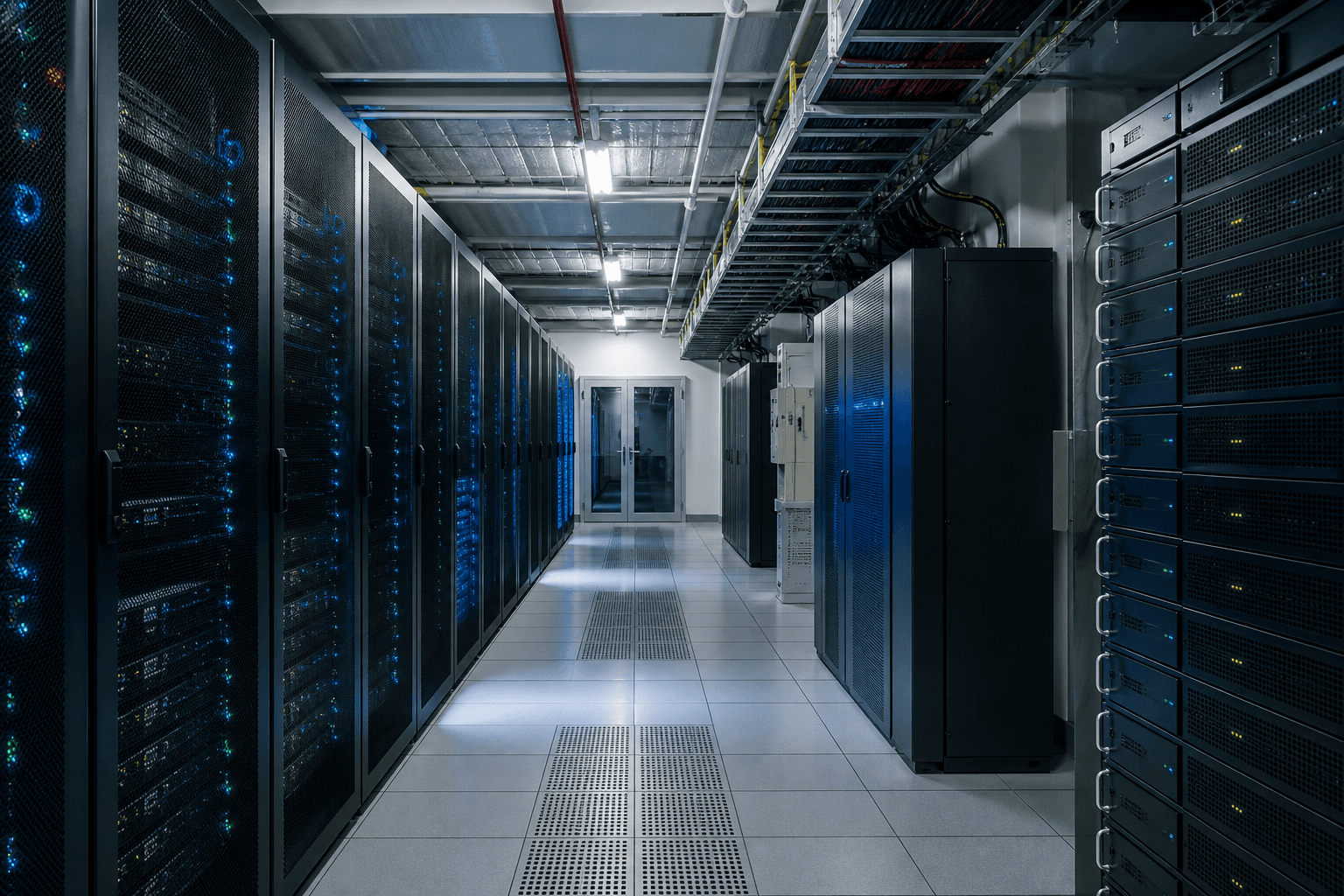
While software and cloud services often get the most attention, the physical hardware powering your business is the backbone of your entire tech stack. A state-of-the-art server is useless if its internal components are unreliable. Investing in high-quality hardware is a fundamental step in future-proofing because it directly impacts system stability and longevity. This is especially true for foundational elements that are often overlooked.
For instance, the power supply unit inside a server or a piece of industrial equipment is crucial for consistent operation. A cheap, unstable power source can lead to data corruption, unexpected shutdowns, and even permanent damage to other expensive parts. Choosing certified, industrial-grade AC/DC power supplies ensures your systems receive clean, reliable power, protecting your investment and preventing costly downtime. Paying a little more for quality at the component level saves you from much larger expenses and operational failures down the road.
Plan for Change
No technology lasts forever. The key to resilience isn't finding a permanent solution, but creating a system that can evolve. This means moving away from rigid, on-premise hardware where possible and embracing scalable solutions like cloud computing and Software-as-a-Service (SaaS) platforms. These services let you increase or decrease capacity based on demand, ensuring you only pay for what you need while benefiting from the provider's continuous updates and security management.
Staying informed is equally important. You don't need to be an expert on every new technology, but you should have a way to evaluate trends that could impact your industry. This is where having strong technology partners can be invaluable. A good IT consultant or managed service provider can offer strategic guidance, helping you tell the difference between passing fads and real opportunities for improvement.
Prepare for Disruption
Even the most well-built systems can fail. Business resilience depends on your ability to recover quickly from an unexpected event. The first line of defense is redundancy. This can be as simple as automated, off-site backups for your critical data, or as complex as a full failover system that automatically switches to a secondary server if the primary one goes down.
Proactive maintenance is another crucial element. Don't wait for something to break before you fix it. Set up a regular schedule for reviewing software updates, security patches, and hardware health. For physical equipment, this includes monitoring performance and replacing components before they reach their expected end-of-life. Swapping out a fan or power supply on your own schedule is far less disruptive and expensive than dealing with an emergency failure during peak business hours.
Ultimately, future-proofing is a mindset focused on building flexibility and reliability into every layer of your business technology. By making smart, foundational choices today, you give your organization the strength to adapt and thrive no matter what changes tomorrow brings.