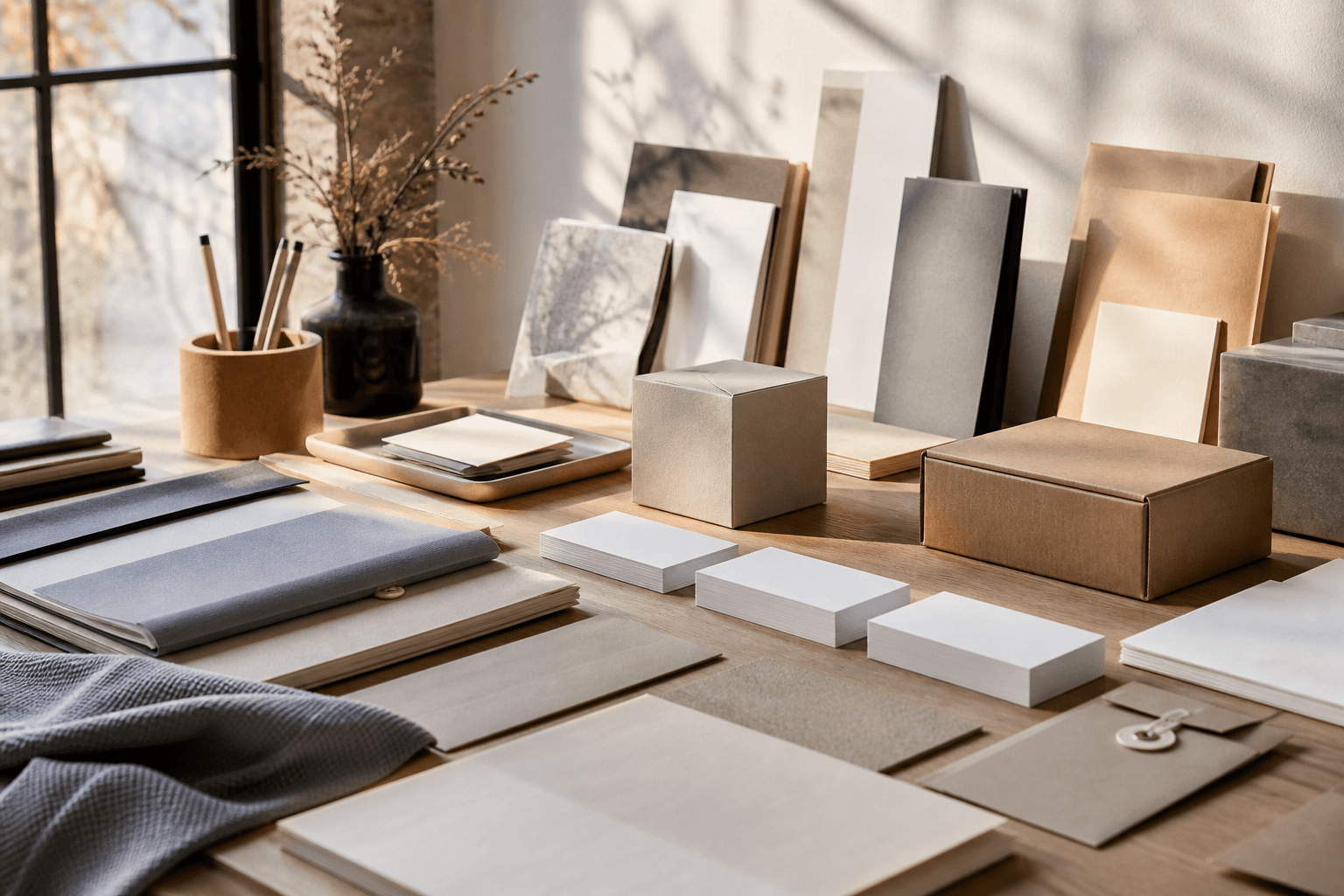
In a world bursting with digital ads, email newsletters, and social media feeds, it’s easy to think that branding only happens on a screen. We pour countless hours into perfecting our websites and online presence. But what happens when your brand steps out into the real world? Often, the physical stuff connected to your brand is what really sticks with clients and customers.
Why Physical Branding Still Matters
Digital marketing can be pretty fleeting. A social media post might flash by in seconds, and an email can vanish with a single click. But a physical object? That has staying power. Think about the last time someone handed you a really nice business card, a beautifully designed brochure, or a product in thoughtful packaging. Chances are, you held onto it, felt its texture, and gave it more than just a quick glance.
This hands-on interaction actually builds a stronger connection in our brains than just seeing something digitally. It gets more of our senses involved, making the brand experience feel more personal and memorable. Physical branding materials act like a solid reminder of your business, sitting on a desk or a shelf long after a digital ad has disappeared from a feed. They give off a sense of permanence and legitimacy that digital assets often struggle to achieve on their own.
Choosing Materials That Speak Volumes
The materials you pick for your physical branding say a lot about your brand's quality and what you value. A flimsy, generic business card might suggest a brand that cuts corners. But a card with a unique texture, a nice weight, and a special finish? That tells people you pay attention to detail and are committed to doing things well. The material itself becomes part of your brand's story.
Just think about how different finishes can make us feel. A glossy surface might feel modern and sleek, while a matte, recycled paper could hint at eco-friendliness and authenticity. And if you really want to stand out, unconventional options like wood, metal, or even transparent business cards can make a powerful statement, ensuring your brand isn't just seen, but truly remembered. These aren't just pretty choices; they're smart decisions that help shape how people see your brand.
Consistency Across All Channels
Your brand should feel familiar and consistent, no matter where a customer bumps into it. The colors, fonts, and logos on your website should perfectly match those on your business cards, letterhead, and any other printed items. This kind of consistency is super important for building brand consistency and earning trust.
When a potential client sees your logo online and then gets a proposal with that exact same branding, it really reinforces who you are and how professional you are. Inconsistencies, on the other hand, can just create confusion and water down your brand's impact. It's a good idea to create a simple brand style guide that lays out your official colors (with HEX, CMYK, and Pantone codes), typography, and how to use your logo. Then, share this guide with any designer, printer, or team member who creates stuff for your business.
Crafting a Tangible Brand Experience
Beyond the basics like business cards, think about every physical moment a customer might have with your brand. This could include:
- Packaging: If you sell a physical product, the unboxing experience is a fantastic chance to show off your brand.
- Invoices and Receipts: Even these everyday documents can be branded to look professional and cohesive.
- Thank You Notes: A handwritten note on custom stationery can create a wonderfully personal connection.
- Event Materials: Banners, name tags, and handouts at trade shows or conferences represent your brand in a public space.
Integrating Offline with Online Presence
Your physical and digital branding efforts shouldn't just live in separate boxes. Instead, they should team up to create a smooth customer experience. That's the whole idea behind the art of omnichannel branding, where every channel supports the others. For instance, you could add a QR code to your business card that links straight to your portfolio, LinkedIn profile, or a special landing page.
You can also print your social media handles on your packaging or include a custom URL on a direct mailer that leads to an exclusive online offer. This cross-promotion encourages people to engage across different platforms and shows your audience that you're modern and well-integrated. It really helps bridge the gap between the physical item in their hand and the vast digital world of your brand.
Don't let your brand exist only online. By investing in high-quality, consistent, and thoughtful physical materials, you create real, tangible connections that boost your professional image and leave a lasting impression.