When you think about flooding, you probably imagine a massive river breaking its banks and sweeping through a whole village. That happens of course, but surface water flooding from a sudden crazy downpour is actually becoming way more common. You can live miles away from any river or coast and still find yourself standing in two inches of water in your office because the local drains simply couldn't cope. And dealing with a flooded business premises is an absolute nightmare, it takes months of drying out and dealing with insurance companies to sort out. It ruins your furniture and it destroys things you can never replace. But you don't have to just sit there and hope for the best. There are plenty of practical things you can do to protect your home.
Sorting Out the Outside
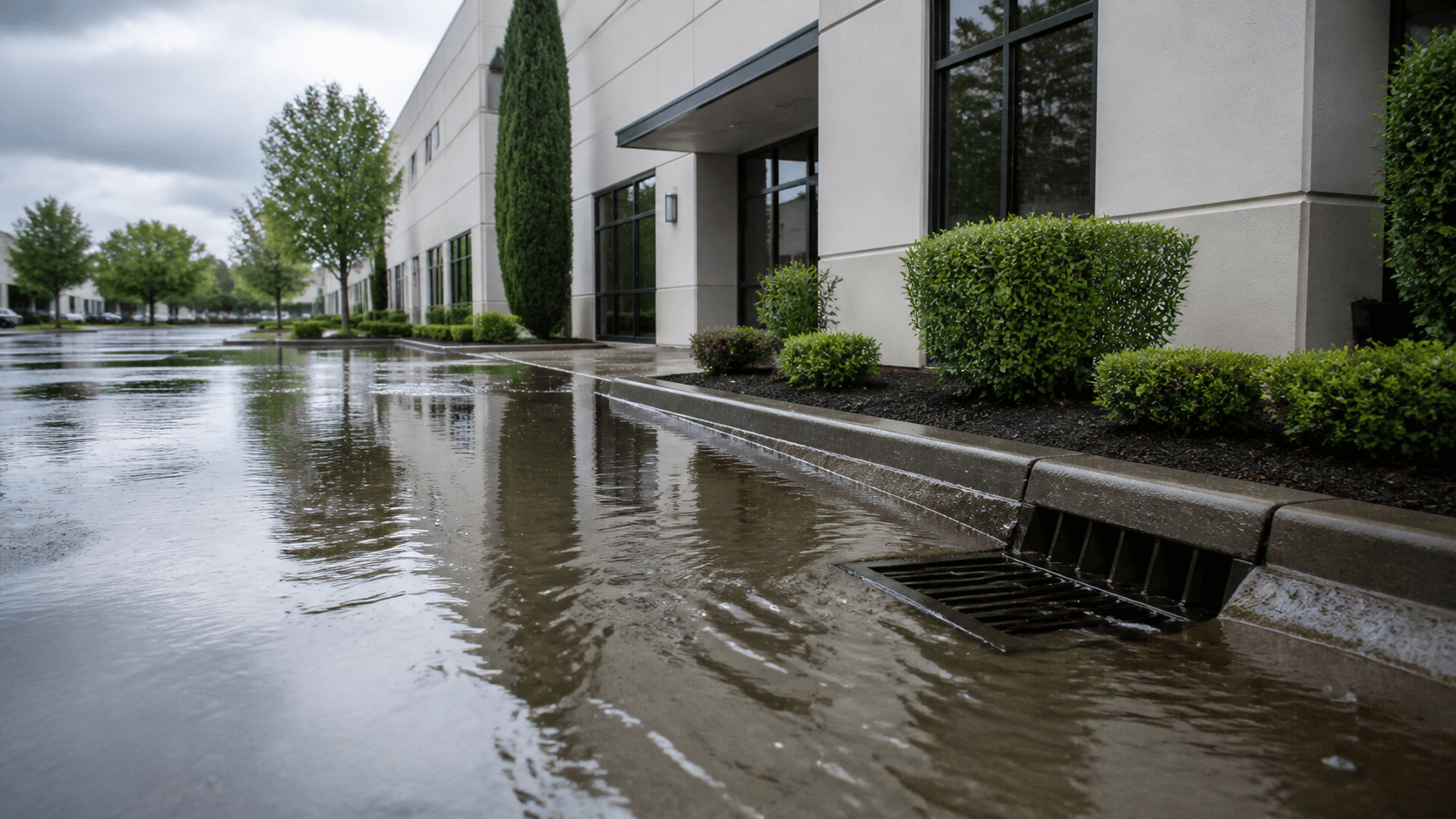
You have to start with the basics of water flow. Water always takes the easiest path down so your job is to make sure that path leads away from your front door. Clean your gutters regularly because a blocked downpipe will send a waterfall straight down your brickwork and into your foundations. If you have a patio or a driveway to the front of your premises then make sure the ground slopes slightly away from the house rather than towards it. A lot of people pave over their entire front gardens for parking which is a massive mistake because tarmac and concrete can't absorb water at all. If you are changing your driveway use gravel or permeable blocks instead. You can also install a trench drain right across the bottom of a sloping driveway. This is just a long narrow grate sitting over a channel in the ground that catches rushing surface water and diverts it into the main drains before it can pool against your walls. Another vulnerability is your airbricks, these are the little grates near the ground that let your floorboards breathe. You can buy clever flood doors or automatic airbrick covers that let air through normally but seal up completely the second water hits them. It's a simple fix that stops hundreds of gallons of water from pouring into your underfloor space.
Non Return Valves
This is something most people never think about until it is way too late. When the main sewage pipes in the street get completely overwhelmed by heavy rain the water has to go somewhere. If it can't go down the street it starts backing up through the pipes leading into your house. That means filthy sewage water can literally erupt out of your ground floor toilets and shower drains. It's easily the most disgusting part of any flood. You can prevent this completely by getting a plumber to install non return valves in your drainage pipes. These valves only let water flow one way. Waste can go out but nothing can push its way back in. It is a relatively cheap upgrade that saves you from a truly horrifying cleanup job.
Sump Pumps
If you live in an area that is known for high groundwater or you have a cellar you absolutely need a sump pump system. This is basically a pit dug into the lowest part of your floor with a mechanical pump sitting inside it. When the water level rises the pump turns on automatically and flings the water out through a pipe away from the house. You can even get ones with battery backups in case the storm knocks the electricity grid out.
What to Do if Water Gets In
If the worst happens and water does get inside you need to act fast but stay safe. Turn off your electricity at the main fuse board immediately because mixing standing water and live currents is incredibly dangerous.
Long Term Planning
Think about your garden landscaping too. Planting plenty of shrubs and bushes helps because their roots absorb a surprising amount of water from the soil. You can also install rain gardens which are basically slight dips in the lawn filled with water loving plants that capture runoff. Every little bit helps when the weather turns nasty.