Owning your businesses can be an excellent strategic move, but it does bring additional responsibilities that are easy to overlook.
Take the roof, for example. You'll find the roof towards the top of the business owners' priority list when everything seems to be in order. With that said, it's one of those things that can quickly become the number one concern when the roof isn't in as good shape as it could be.
The roof isn't just another part of your business premises. It's too important for that. It actively impacts operational performance in more ways than you might expect. In this post, we'll run through just some of the reasons why business owners simply can't afford to ignore their roof, which should be enough to convince you that it's best to take a proactive, rather than reactive, approach to roof maintenance.
It's The First Line of Defense Against Inclement Weather
Is your business located in an area that receives heavy rain or snowfall? In an age when severe weather is increasing, it's more important than ever that businesses pay attention to their roofs, especially if they have flat roofs, which are susceptible to pooling water.
The reason? Everything that's inside your commercial premises is only safe and sound because the roof is in good condition. If the health of the roof is compromised, then all your stock and equipment are at risk.
Even small issues can quickly turn into major problems, which is why it's important to have a flat roofing company inspect the roof twice a year. That can help to identify potential issues before they have a chance to develop. Ultimately, it's much easier, cheaper, and less stressful to prevent a problem rather than to treat it.
It's Critical For Energy Efficiency
With energy costs rising, it's more important than ever that business owners do whatever they can to boost their building's energy efficiency and keep costs down. If a roof isn't as well-maintained as it could be, then there's every chance that it's costing the business more money than necessary — and they're not just single, one-off payments, but monthly hits to the bottom line in the shape of above-average energy bills.
If necessary, then upgrading the roof's membrane really can make a difference to the roof's energy efficiency. While there's a cost attached to that process, it's one that can pay for itself pretty quickly in the shape of reduced energy bills.
It Impacts Business Continuity Capacity
Business owners tend to take an out-of-sight, out of mind approach to their roofs, but the truth is that the roof can have a devastating impact on business continuity if it's not managed correctly. A major roof leak, after all, can grind operations to a halt. There's not much that workers can do if there's water on the floor or if critical equipment experiences water damage.
Even a single roof-related shutdown can have a significant impact on the bottom line. As such, it's recommended to manage the roof as exactly what it is: an operational risk.
The Building's Structural Integrity Depends On It
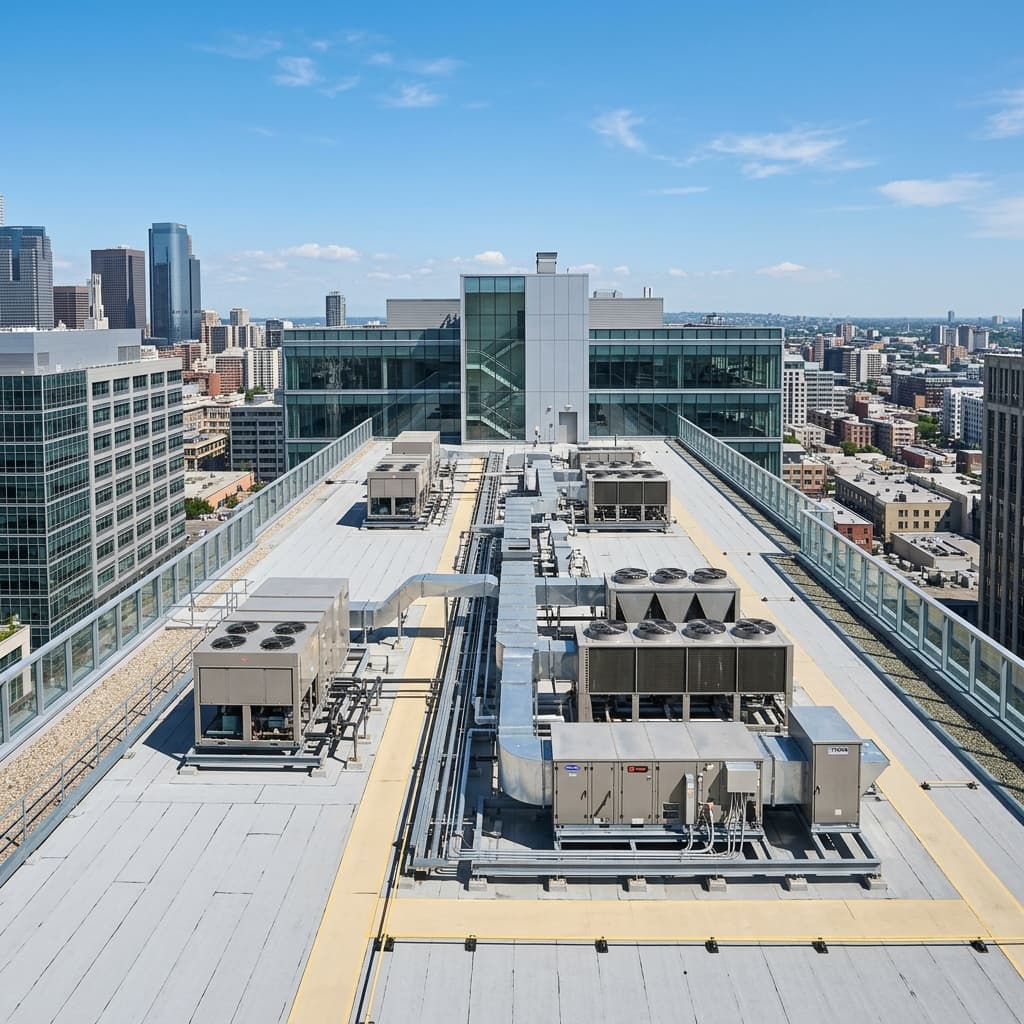
No business wants to find that their building is experiencing diminished structural integrity, but it can happen, especially on the roof, which is often responsible for carrying significant weight. It's not uncommon to see HVAC systems, equipment, and water tanks on top of flat roofs, and while the roof may look as if it can handle that weight just fine, it may be causing high levels of stress that impact its structural integrity. If that happens, then the cost of repairing the damage will be significantly more than the cost of proactive maintenance.
It Affects Your Insurance
The business itself may treat the roof as an afterthought, but that doesn't mean that it's being ignored completely. Insurance companies, for instance, are very much interested in the condition and quality of the roof, since they treat it as a primary risk factor. A roof that has been poorly maintained, is old, or made of lower quality materials tends to be subject to higher premiums or even rejected claims.
Taking a proactive approach to roof management, such as working with experts to ensure it's in optimal condition and keeping a detailed record of inspection and maintenance records, can make a huge difference to both the cost of insurance and making claims.
It Affects Property Value
You may view your business premises as the headquarters of your business operations, but it's also an asset. If you ever sell the business or the building, then the quality of the roof will play an influential role in valuation.
If the roof has been poorly maintained, then it'll likely contribute to a significant reduction in value. This makes a strong case for investing the time, effort, and money required to keep the roof in tip-top condition, since it really can make a big difference to the value of one of your business's biggest assets.
It's Critical For Employee Safety
All businesses have a duty of care towards their employees. All too often, the safety risks tend to be focused on what happens inside the building, such as the equipment safety measures that are in place.
But it's important to focus on the roof, which can pose serious safety threats if managed incorrectly. For example, minor roof leaks can increase the risk of slips and falls, as well as pose safety risks when using electrical equipment. Water damage can also lead to mold, which, in addition to posing health hazards, can also lead to reputational damage among both employees and visitors.
Conclusion
Business owners naturally focus their energy and attention on their core business responsibilities, but if you own the building, then it's imperative to pay attention to the condition of the building itself, particularly the roof. After all, as we've seen from the points above, the roof plays a much bigger influential role than you might think. By working with roofing experts, you can ensure that the roof genuinely functions as an asset, not a hindrance.