Stepping into manufacturing leadership roles can feel like being handed the keys to a fast moving machine that never really stops. There's a lot going on with people, processes, targets to hit and it can take a little bit of time to find your feet. You don't need to know everything straight away when it comes to your new role, and taking a steady, practical approach is going to go a long way.
When you're stepping into a new manufacturing leadership role, you have to understand that it's not just about output. At first glance, manufacturing can seem all about the numbers, with the units produced, the deadlines that required to be hit, the costs managed, the KPIs met. And yet those do matter. But behind all of that, other people in the systems that make it happen. If something isn't working, it's really just a numbers issue. It's usually a process that needs adjusting or a team that needs better support.
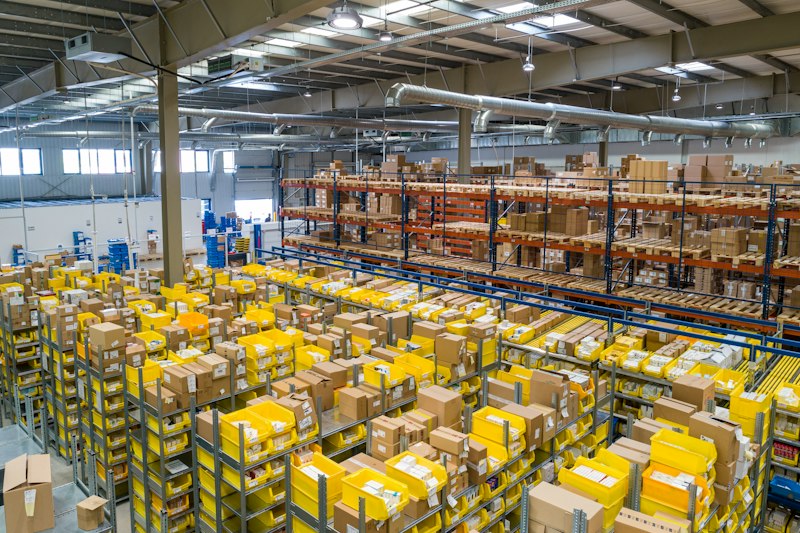
You can start out by getting to know the floor. You can learn a lot from reports, paperwork, and data, but nothing is really going to beat spending time whether work is actually happening in your new role. Walk the floor, ask questions, and listen to the people doing the job everyday. They often have the clearest insight into what's working and what really isn't. You're also going to build trust much faster this way, which makes everything else easier. And it's from here you can figure out what the necessary improvements are, whether its investing in better plant trailers to make the work easier or simply redesigning shift patterns for better productivity. It's tempting to come in and make big changes straight away, but it's the smaller improvements that you notice on your walking the floor that's going to add up.
Tweaking too many processes, reducing a delay or improving communication may not seem big on their own, but over time it does make a big difference. For instance, something like reviewing the coding and marking solutions may seem minor, but if it reduces errors or speeds up production, this is an impact that adds up quickly. From here you can communicate this clearly with the people working the floor and you may find that they give you positive feedback because they may have been asking for change for a while. Manufacturing environments do move quickly, and clarity does matter. Whether you're giving instructions or setting expectations as a new leader or sharing updates, you need to keep things simple and direct. People don't want fluff. Confusion slows everything down, and it does lead to costly mistakes.
It's also important to remember that communication does go both ways. Encourage feedback and actually take it on board and use that feedback to make those tweaks that we mentioned earlier. And while you're at it, don't overlook the safety and consistency as part of your role. It's not just a box to tick, it's part of running a solid operation. When people feel safe in their jobs and processes are consistent, everything runs more smoothly. Cutting corners may save time in the short term, but it always leads to bigger problems.